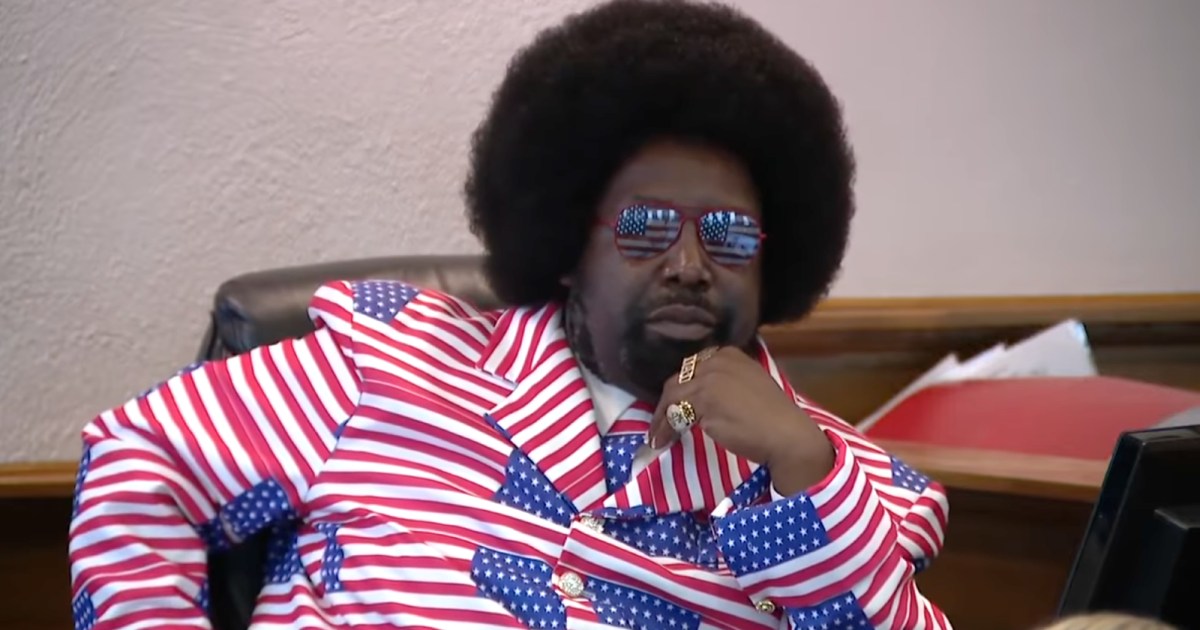
Afroman's Unconventional Victory: When Art Confronts Authority and Free Speech Reigns
In a landmark legal battle that captivated audiences far beyond the music world, Joseph Foreman, famously known as Afroman, has emerged victorious in a defamation lawsuit brought against him by several Adams County, Ohio sheriff's deputies. This case, centered around a controversial 2022 police raid on Afroman's home and his subsequent viral artistic response, has become a potent symbol of free speech versus official authority. At the heart of the deputies' claims was the alleged personal and reputational damage caused by Afroman's satirical videos and songs, particularly those targeting lead plaintiff, Deputy Randy Walters Afroman.
The journey from a routine police operation to a high-stakes courtroom drama highlights the evolving landscape of digital protest and the profound impact of creative expression in challenging narratives. Afroman's win is not just a personal triumph but a significant precedent, underscoring the robust protections afforded to artists and citizens alike when speaking out against perceived injustices.
The Raid That Sparked a Saga: Afroman's Home Under Siege
The origins of this legal saga trace back to August 2022, when Afroman's Ohio residence became the scene of an unexpected and highly disruptive police raid. Acting on a warrant that astonishingly alleged involvement in narcotics and even a kidnapping ring, Adams County sheriff's deputies descended upon his property. What ensued was a series of events that Afroman would later immortalize in his music, turning a traumatic experience into a viral commentary.
During the search, officers caused significant damage, smashing down his gate and door. They rummaged through his home, at one point pausing to sample his mother's homemade lemon pound cake – a detail that would later become iconic. Security cameras, strategically placed throughout the property, were purposefully disconnected, yet managed to capture key moments before their demise. Money was taken from the house and entered into evidence. However, a glaring discrepancy arose when Afroman attempted to retrieve his funds: $400 was inexplicably missing from the amount originally documented, which police casually dismissed as an "accounting error."
The raid ultimately yielded no incriminating evidence. No illegal drugs were found, and it was conclusively determined that Afroman had committed no crime and was certainly not involved in any kidnapping ring. All charges were subsequently dropped, leaving Afroman with damaged property, missing money, and a powerful story to tell.
From "Lemon Pound Cake" to Legal Battle: Afroman's Viral Retaliation
Feeling wronged and seeking an outlet for his frustration, Afroman did what he does best: he channeled his experience into his art. Utilizing the surviving surveillance footage, he released a series of videos, most notably "Lemon Pound Cake" and "Will You Help Me Repair My Door," which quickly went viral. These tracks satirized the deputies' actions, mocking their conduct during the raid and highlighting the absurdities of the situation, including the now-famous pound cake incident.
His creative response struck a chord with millions, resonating with those who felt marginalized or mistreated by authority. However, Afroman's artistic retaliation did not sit well with the subjects of his satire. Seven Adams County sheriff deputies, feeling their reputations maligned, collectively filed a defamation lawsuit against him, seeking a staggering $4 million in damages. This move set the stage for a tense courtroom showdown, raising crucial questions about the boundaries of artistic freedom and the accountability of public officials.
The lawsuit centered on claims that Afroman's videos and lyrics portrayed the deputies in a false light, damaging their professional standing and causing emotional distress. It was a direct challenge to Afroman's method of protest, aiming to silence his commentary through legal means. Afroman Wins Defamation Case: Free Speech Triumph Over Deputies explores this aspect in greater detail, highlighting the legal complexities.
Randy Walters Afroman Controversy: The "Son of a Bitch" Song and Its Impact
As the defamation trial commenced, the stakes were incredibly high. During this intense period, Afroman released another provocative track, "Randy Walters Is a Son of a Bitch," further escalating the conflict. This song directly targeted Deputy Randolph L. Walters Jr., one of the lead plaintiffs in the lawsuit. The lyrics, particularly the line, "Randy Walters is a son of a bitch. That’s why I fucked his wife and got filthy rich," became a focal point of the courtroom proceedings.
Deputy Walters testified about the "tremendous pain" and emotional toll these lyrics inflicted upon him. He described feeling portrayed "in a false light" and expressed deep distress over the specific insinuation about his wife's fidelity, stating, "Yes, that my wife is cheating on me with [Afroman]." Walters, who has been with his wife since middle school, highlighted the profound personal hurt, explaining how such public claims, regardless of their truth, cast a shadow over his most intimate relationships. He further testified that being labeled a "thief" in Afroman's content also severely damaged his reputation, a crucial aspect for a law enforcement officer.
The courtroom exchange became particularly charged when Walters was pressed on whether people would reasonably believe the claim about his wife. His hesitant response, "I don’t know," and his emotional retort, "You want to go there? I been with that woman since middle school, I would hope she wouldn’t. But you know what, once someone puts it out there for their fun and entertainment, it’s out there, and it’s a problem," perfectly encapsulated the personal agony inflicted. This testimony brought to the forefront the delicate balance between free speech and the potential for severe personal harm, especially when public figures are involved. You can delve deeper into this emotional impact in Randy Walters' 'Tremendous Pain' from Afroman's Song Lyrics.
Free Speech Prevails: A Landmark Victory for Afroman and Artists Everywhere
After days of intense testimony and legal arguments, the jury delivered its verdict: Afroman prevailed on all claims. This total victory not only exonerated him but sent a clear message about the power of artistic expression and the robust protections of the First Amendment.
Following his triumph, Afroman underscored the broader implications of the ruling. "It's not only for artists. It's for Americans," he declared. "We have freedom of speech. They… did me wrong and sued me because I was talking about it." His words resonated with a fundamental principle of democracy: the right to criticize authority, even through satire and provocative means, without fear of retaliatory legal action designed to silence dissent.
This case serves as a critical reminder that while defamation laws protect individuals from genuinely false and damaging statements, there is a high bar for proving defamation, especially when the subject is a public figure or official. The plaintiff must often demonstrate "actual malice"—that the statement was made with knowledge of its falsity or with reckless disregard for the truth. Afroman's defense successfully argued that his works were satirical and hyperbolic, falling under the umbrella of protected speech rather than actionable defamation.
The outcome solidifies the notion that art can indeed be a powerful tool for social commentary and protest. It encourages artists to continue challenging narratives and holding power accountable, even when faced with significant legal and financial pressures. The jury’s decision affirmed that the deputies, by initiating a raid that ultimately found no wrongdoing and involved questionable conduct, opened themselves up to public scrutiny and artistic critique.
Lessons Learned and Future Implications
Afroman's victory offers valuable lessons for all parties involved and sets a significant precedent for future cases involving artistic expression and public accountability.
- For Artists and Creators: This case highlights the incredible power of art as a response to perceived injustice. Afroman’s ability to turn a negative personal experience into a viral movement underscores the importance of creative outlets for protest. However, it also subtly reminds artists of the fine line between satire and defamation. While free speech is robust, understanding its boundaries and the concept of "actual malice" when criticizing public figures is crucial. Documenting events, as Afroman did with his security cameras, proved invaluable to his defense.
- For Law Enforcement and Public Officials: The ruling emphasizes the critical need for accountability and transparency in police operations. The initial raid, its subsequent finding of no wrongdoing, and the handling of evidence (like the missing money and disconnected cameras) significantly undermined the deputies' credibility. This outcome serves as a potent reminder that actions in uniform can be subject to public scrutiny and artistic critique, reinforcing the importance of upholding the highest professional standards to maintain public trust.
- For Citizens and the Public: Afroman’s case reaffirms the strength of the First Amendment and its role in protecting the average citizen's right to speak out. It demonstrates that individuals can push back against powerful institutions, using platforms old and new, and potentially achieve justice. The importance of documentation, whether through security systems or personal recordings, cannot be overstated in providing evidence against potential misconduct.
The Randy Walters Afroman verdict will undoubtedly influence how future defamation lawsuits against artists are litigated, especially when the subject matter involves satire of public officials. It reinforces the idea that robust public discourse, even when uncomfortable or irreverent, is vital for a healthy democracy and for holding power accountable.
Afroman's journey from a wrongfully raided home to a triumphant courtroom victory is more than just a rapper's personal win; it's a powerful affirmation of free speech in the face of authority. His viral responses, particularly the controversial "Randy Walters Is a Son of a Bitch," sparked a necessary debate about artistic boundaries and official accountability. While Deputy Walters' testimony undeniably conveyed genuine personal pain, the jury ultimately sided with Afroman, solidifying the idea that artistic satire, even when provocative, holds a protected place in our society. This landmark decision will reverberate far beyond the confines of Adams County, inspiring artists and citizens alike to use their voices and creativity to challenge, question, and ultimately, seek justice.