The Tremendous Pain of Randy Walters: Afroman's Lyrics and a Landmark Free Speech Verdict
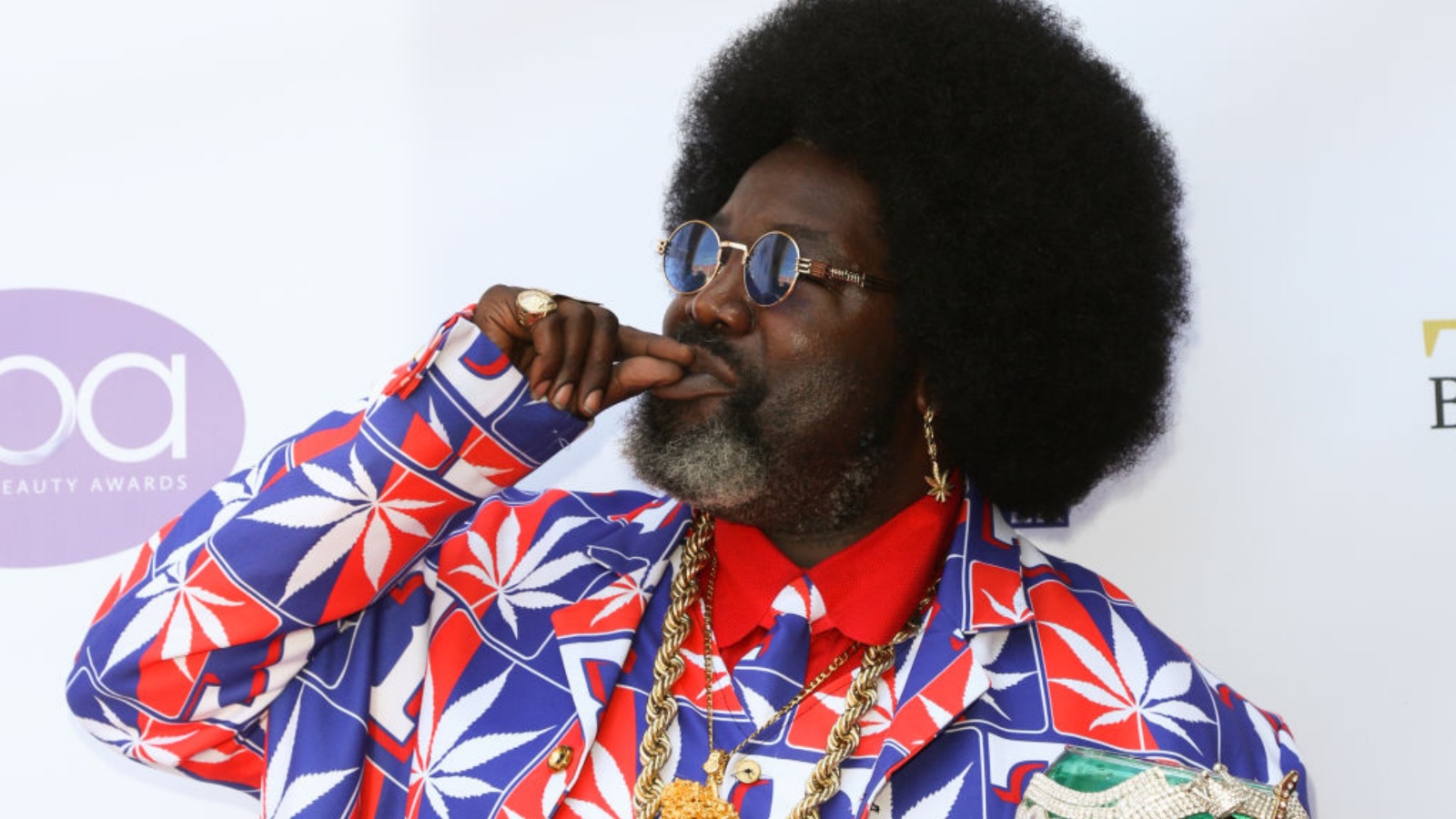
The intersection of artistic expression, personal reputation, and the law came to a head in a recent high-profile defamation lawsuit involving recording artist Afroman, whose real name is Joseph Foreman, and several Adams County, Ohio sheriff's deputies. At the heart of the emotional courtroom drama was Deputy Randolph L. Walters Jr., who testified to experiencing "tremendous pain" from Afroman's song lyrics, particularly those making highly personal and inflammatory claims about his wife. This case, often framed as a battle between free speech and personal dignity, captivated public attention and culminated in a significant victory for Afroman.
The Genesis of Conflict: A Home Invasion and a Viral Response
The saga began in August 2022, when Adams County sheriff's deputies executed a warrant to search Afroman's home. The warrant alleged his involvement in a narcotics and, astonishingly, a kidnapping ring. What ensued, according to Afroman and later supported by evidence, was a raid marked by damage and questionable conduct. Police reportedly smashed his gate, broke down his door, and even "stopped to savor his mom's poundcake" during their search. Crucially, they purposefully disconnected his security cameras – a move that would later become a central point of contention.
Despite the intrusive search, no illegal drugs were found, and Afroman was cleared of all charges, including the bizarre kidnapping allegation. Adding insult to injury, $400 of the money taken from his home and logged as evidence mysteriously went missing, described by police as an "accounting error."
Feeling wronged and violated, Afroman turned to his art. He released a series of videos, most notably "Lemon Pound Cake," where he masterfully integrated the surveillance footage from his home (which he had recovered) into a mocking narrative of the raid. These videos quickly went viral, lampooning the deputies involved and highlighting the absurdities of the search. This creative, albeit provocative, response set the stage for the legal battle that would soon follow.
Randy Walters Afroman: The Heart of the Defamation Claim
In response to Afroman's viral content, seven Adams County sheriff deputies, including Randolph L. Walters Jr., filed a defamation lawsuit against the artist, collectively seeking approximately $4 million in damages. They argued that Afroman's videos and songs had tarnished their reputations, falsely portrayed them, and caused significant personal distress.
The trial brought to light the intense personal impact of Afroman's lyrics, especially for Deputy Walters. Just two days before the trial commenced, Afroman released another track titled "Randy Walters Is a Son of a Bitch." The song contained highly incendiary lyrics that directly targeted Walters, including the line, "Randy Walters is a son of a bitch. That’s why I f***ed his wife and got filthy rich."
During his testimony, Deputy Walters described the profound emotional toll these lyrics had taken. When asked about their impact, he stated, "It’s caused tremendous pain in my life." He further elaborated on how the lyrics painted him in a false light, confirming that the claim that his wife was cheating on him with Afroman was untrue. The courtroom exchange became particularly poignant when Walters expressed his disbelief and hurt: "I been with that woman since middle school, I would hope she wouldn’t. But you know what, once someone puts it out there for their fun and entertainment, it’s out there, and it’s a problem." He also testified that being labeled a "thief" and other negative depictions in Afroman's content had significantly damaged his professional and personal reputation.
The raw emotion in Walters' testimony underscored the very human cost of public accusations, regardless of their veracity. Even if one knows a claim is false, its widespread dissemination can create doubt, cause marital strain, and lead to intense personal distress. This serves as a stark reminder of the power of words, especially when amplified by a public figure and viral media.
Free Speech vs. Personal Harm: The Legal Battleground
Afroman, represented by legal counsel, staunchly defended his actions in court, asserting that his music and videos were protected under the umbrella of free speech and artistic expression. He argued that his work was a satirical response to what he considered a wrongful and unjustified raid on his private property. His defense centered on the First Amendment, suggesting that citizens have the right to criticize and mock public officials, especially when they feel their rights have been infringed upon.
The jury was tasked with navigating the delicate balance between an individual's right to free expression and another's right to protection from defamation. After hearing testimony from both sides, including Afroman himself, the jury ultimately sided with the artist on all claims. This ruling granted Afroman a total victory, marking a significant moment for freedom of speech in artistic and political commentary.
Following his triumph, Afroman articulated the broader implications of the verdict: "It's not only for artists. It's for Americans. We have freedom of speech. They… did me wrong and sued me because I was talking about it." His words resonated with many who saw the case as a victory for the average citizen's right to hold authorities accountable through public discourse and creative means. For more details on the outcome, read about how
Afroman Wins Defamation Case: Free Speech Triumph over Deputies and how
Afroman's Viral Response to Police Raid Leads to Defamation Win.
The Broader Implications for Public Figures and Free Expression
This case highlights several critical considerations for both public figures and private citizens regarding free speech and defamation. For law enforcement officers and other public officials, winning defamation lawsuits based on satire or criticism can be incredibly challenging. The legal standard for defaming a public figure is often higher, requiring proof of "actual malice" – meaning the false statement was made with knowledge of its falsity or with reckless disregard of whether it was false or not. In cases involving satire, courts often recognize the hyperbolic and non-literal nature of the content, making it difficult to prove that a reasonable person would interpret the claims as factual.
The "false light" argument, which Deputy Walters raised regarding the claims about his wife, also faces scrutiny. While such claims undeniably inflict emotional distress, the legal system often weighs this against the broader protection of free expression, especially when the subject is tied to a public controversy.
A crucial takeaway from the Randy Walters Afroman case is the undeniable power of documentation. Afroman's security cameras, initially tampered with by police, ultimately provided the objective evidence that underpinned his narrative and defense. This underscores the practical tip for citizens to document interactions with authorities, and for authorities to conduct searches with transparency and adherence to legal protocols, knowing that their actions can be recorded and scrutinized.
Furthermore, this verdict reinforces the idea that artists and citizens can use creative means, including satire and music, to express their grievances and criticize perceived injustices, even against powerful institutions. While the emotional cost to individuals like Deputy Walters is palpable, the legal outcome prioritizes the constitutional right to freedom of speech, setting a precedent for future cases involving public criticism and artistic commentary.
Conclusion
The Randy Walters Afroman legal battle was a complex tapestry woven with threads of personal pain, artistic freedom, and constitutional rights. While Deputy Walters expressed profound suffering from the highly personal nature of Afroman's lyrics, particularly those targeting his wife, the jury's verdict ultimately affirmed the rapper's right to free speech. This case serves as a powerful reminder of the delicate balance between protecting individual reputations and upholding the fundamental right to expression, especially when criticizing public figures and governmental actions. It underscores the idea that in the digital age, where content can go viral instantly, the impact of words is immense, and the legal lines separating critique from defamation are continually being drawn and redrawn.